In today's technologically advanced world, people are always searching for innovations, shortcuts or "cheat codes" to make life easier. Now, biology itself is offering new “cheat codes” for health and longevity.
Do-it-yourself (DIY) approaches to health have always existed—think fitness regimens, diet culture and holistic wellness trends. Everyday practices, such as intermittent fasting, daily supplements, light therapy for cell regeneration and wearable health tech, are widely embraced. But DIY medicine has taken on a new meaning as individuals experiment more directly with biology in the rising trend known as "biohacking."
Self-proclaimed biohackers perform molecular experiments on themselves to improve health or extend lifespan, often without medical or scientific oversight. While extended vitality sounds appealing, the minimal testing and regulation raise important questions about the real benefits, potential risks and ethical implications of biohacking.
As this movement grows, it’s raising new questions not just for medicine but for insurers, who must evaluate risks that didn’t exist a decade ago.
What is Biohacking?
Biohacking is a broad term encompassing various human enhancement techniques designed to optimize performance, enhance health, slow the aging process, expedite healing or extend longevity. These techniques range from simple lifestyle adjustments—such as more sleep or a targeted diet—to more drastic interventions that attempt to "hack" genetics through technology and biological experimentation.
In recent decades, extreme forms of biohacking have gained traction as self-experimentation has become easier and more accessible. Materials once reserved for treating genetic conditions or life-threatening diseases are now available to anyone seeking human enhancement.
Modern Biohacking Methods
At its most basic, biohacking involves making everyday lifestyle changes that can be easily incorporated into daily routines. At the more advanced end, molecular biohacking focuses on enhancing cellular function through methods such as:
- Nootropics: Drugs and supplements, natural or synthetic, used to enhance cognitive function. Examples include caffeine and prescription stimulants like Adderall.
- Exosomes: Small, naturally occurring vesicles released by cells that act as messengers as they carry proteins and genetic material to other cells. Exosomes can be derived from stem cells and used to send healing messages to other parts of the body, facilitating tissue repair and supporting regeneration. They are currently being studied for use in skin rejuvenation and wound healing. Exosomes are not approved for any medical use, and the Food and Drug Administration (FDA) has issued warnings against the marketing of exosome treatments.
- Peptides: Short chains of amino acids that act as signaling molecules in the body. Different peptides can influence various biological processes, such as hormone production, tissue repair, and immune and healing responses.
- Bioregulators (prescription and non-prescription): A subset of peptides that regulate biological processes. They target specific organs and tissues at the cellular level, promoting restorative and optimal organ function.
Technology biohacking incorporates wearable devices and diagnostics that generate real-time data, enabling users to fine-tune various aspects, from blood sugar levels to sleep patterns. This category also includes tools such as hyperbaric chambers and electromagnetic stimulators, which are used for accelerated healing. Some individuals push the boundaries even further by implanting chips or radio-frequency identification (RFID) devices for sensory enhancement.
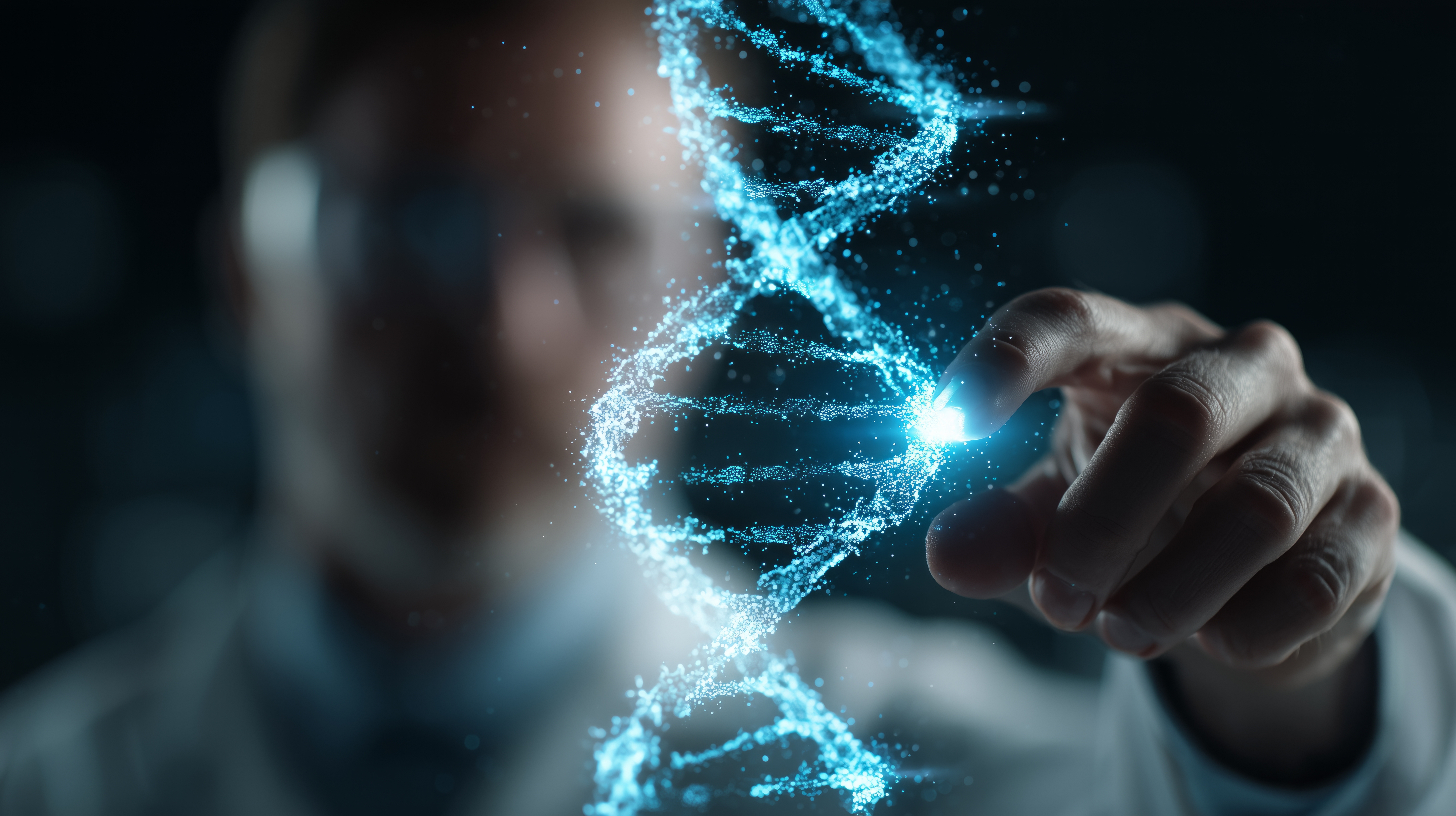
Finally, there is genetic biohacking, the most extreme form. Genetic biohackers are self-experimenters who modify their DNA using Clustered Regularly Interspaced Short Palindromic Repeats (CRISPR), gene therapy, or microbiome transplants, often without clinical oversight. Examples include the self-administration of CRISPR DNA to enhance muscle growth, the use of unregulated gene therapy to reverse aging, and full-body microbiome transplants to alter gut flora.
While the promise of human enhancement is captivating, the methods range from scientifically grounded to ethically ambiguous, and the associated risks—especially for insurers—are far from hypothetical.
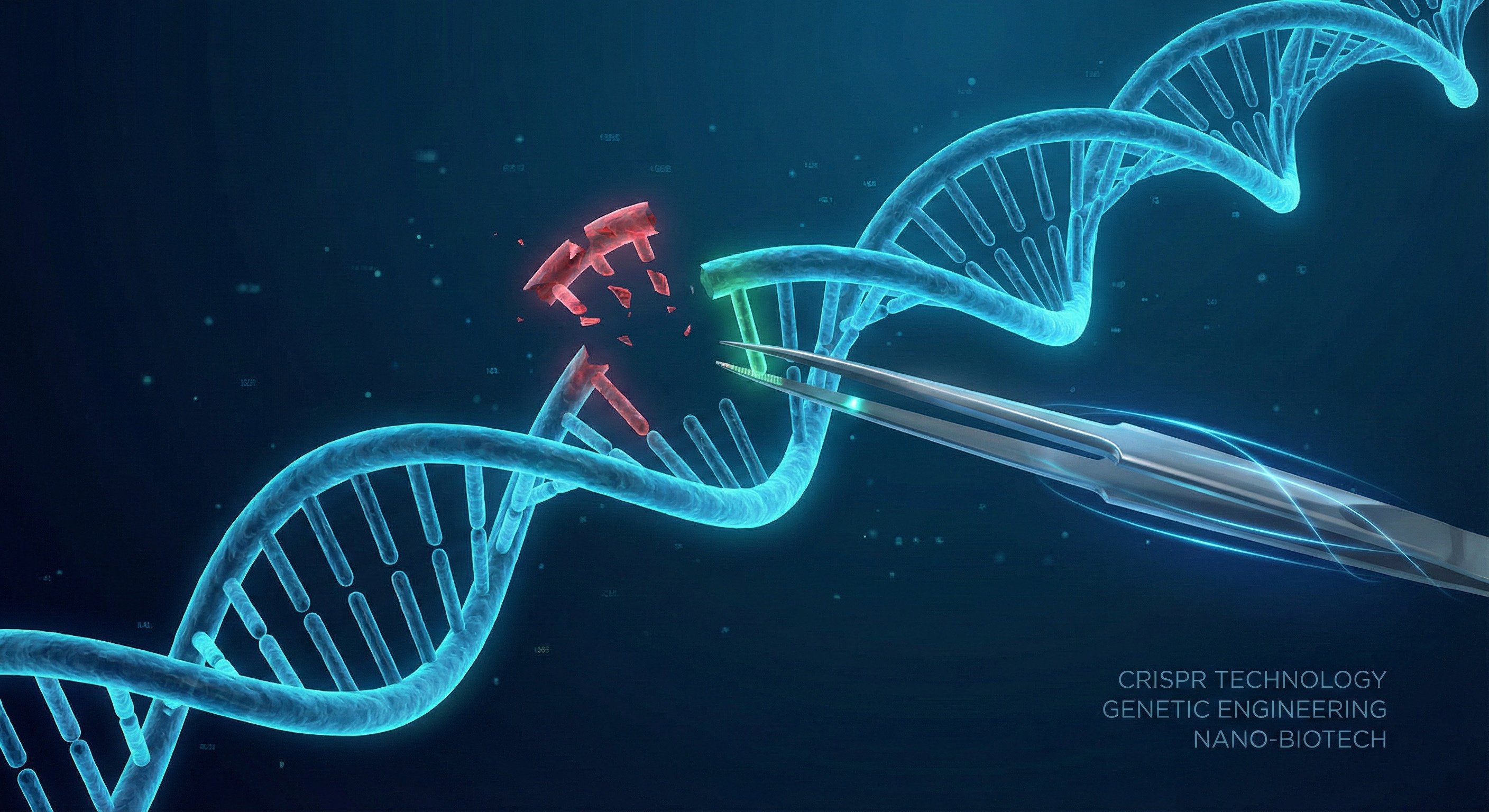
What exactly is CRISPR? It is a gene editing technology that allows for precise modification of DNA sequences in living organisms.
Risks and Regulation
As genetic biohacking gains more attention, concerns about the lack of formal oversight continue to grow. These practices often bypass the rigorous testing and evidence-based research traditionally required of emerging technologies in the life sciences industry. Without clinical supervision and with broad accessibility, the risk of misuse increases, potentially leading to bioterrorism, environmental contamination from poorly conducted experiments, and serious harm such as infections, unpredictable genetic changes, immune reactions, cancer and other long-term health effects. Regulatory concerns also arise because of the lack of peer-reviewed data and potential violations of medical and ethical standards.
Some regulations do exist around these practices. In the United States, agencies such as the Food and Drug Administration (FDA) have broad authority over many of the materials and techniques used by biohackers, including gene therapies and DIY CRISPR kits. The FDA's Center for Biologics Evaluation and Research (CBER) oversees and regulates gene therapy products. Before any human clinical trials begin, an Investigational New Drug (IND) application must be submitted and approved by the FDA. To market gene therapy, a Biologics License Application (BLA) is required. However, despite the FDA’s central role in regulating biohacking activities, its enforcement efforts are limited by the small scale and personal nature of many experiments.
In some cases, private regulation has helped address the misuse of biohacking tools. Patent holders have established ethical restrictions through licensing agreements or have threatened litigation to deter misuse of gene-editing technologies. For example, some CRISPR patents include ethical-use clauses. Community labs also often implement bioethical codes and safety protocols to promote responsible practices and limit high-risk human experimentation.
“As biohacking moves from fringe experimentation to mainstream practice, insurers are being asked to evaluate risks that didn’t exist a decade ago.”
The Upside of Genetic Biohacking
Despite valid concerns, genetic biohacking can have positive outcomes when conducted under appropriate supervision and circumstances. Ongoing research into peptides and exosomes has expanded understanding of how these molecules affect animal DNA and other biological processes, revealing both potential benefits and harmful effects.
The study of CRISPR-Cas9, a specific type of CRISPR system that utilizes the Cas9 enzyme to precisely edit DNA, has shown significant potential as a disease-modification tool for various genetic conditions, including cancers, neurodegenerative disorders and infectious diseases such as HIV. CRISPR edits the genome by making a precise cut at a targeted location. Guided RNA that matches the DNA sequence scientists intend to change, the Cas9 protein makes the cut, allowing researchers to add, remove or alter genetic material.
Compassionate-use approvals of CRISPR-Cas9 have already led to promising outcomes, including the restoration of eyesight in those affected by a gene mutation that causes blindness. More recently, researchers at Mie University in Japan developed a technique known as "trisomic rescue," which uses a refined version of CRISPR-Cas9 to remove the extra copy of chromosome 21, the genetic cause of Down syndrome. These cases demonstrate the emerging potential of CRISPR-Cas9 as a therapeutic approach for treating genetic diseases.
The Future of Genetic Biohacking
Biohacking is quickly transitioning from a niche subculture to a mainstream trend, where innovation meets uncertainty. As more people experiment with increasingly powerful biological tools, the line between personal wellness and regulated science continues to blur.
For life sciences insurers, this shift cannot be ignored. While the potential benefits are significant, so are the risks, making thoughtful oversight more important than ever. As the biohacking landscape evolves, insurers must remain vigilant about safety protocols, regulatory compliance and long-term health impacts to effectively manage emerging exposures. At Skyward Specialty, we have the expertise to underwrite risks associated with products in this sector, including supplements, approved biologics, pharmaceuticals, health technology products and clinical trials.
The next wave of biohacking will challenge long-standing assumptions about both science and safety. Insurers who stay close to the science — and disciplined in their underwriting — will be best positioned to navigate the uncertainty ahead.